
Connected Systems

Connect your assets.
Understand their condition.

Bring live telemetry, asset information and existing systems into one operational picture. Give engineering and operations teams the context to spot developing issues and plan the next action.

Our rail sensing programme extends that picture to vehicle-mounted and track-mounted edge intelligence, alongside connected telemetry for existing equipment.

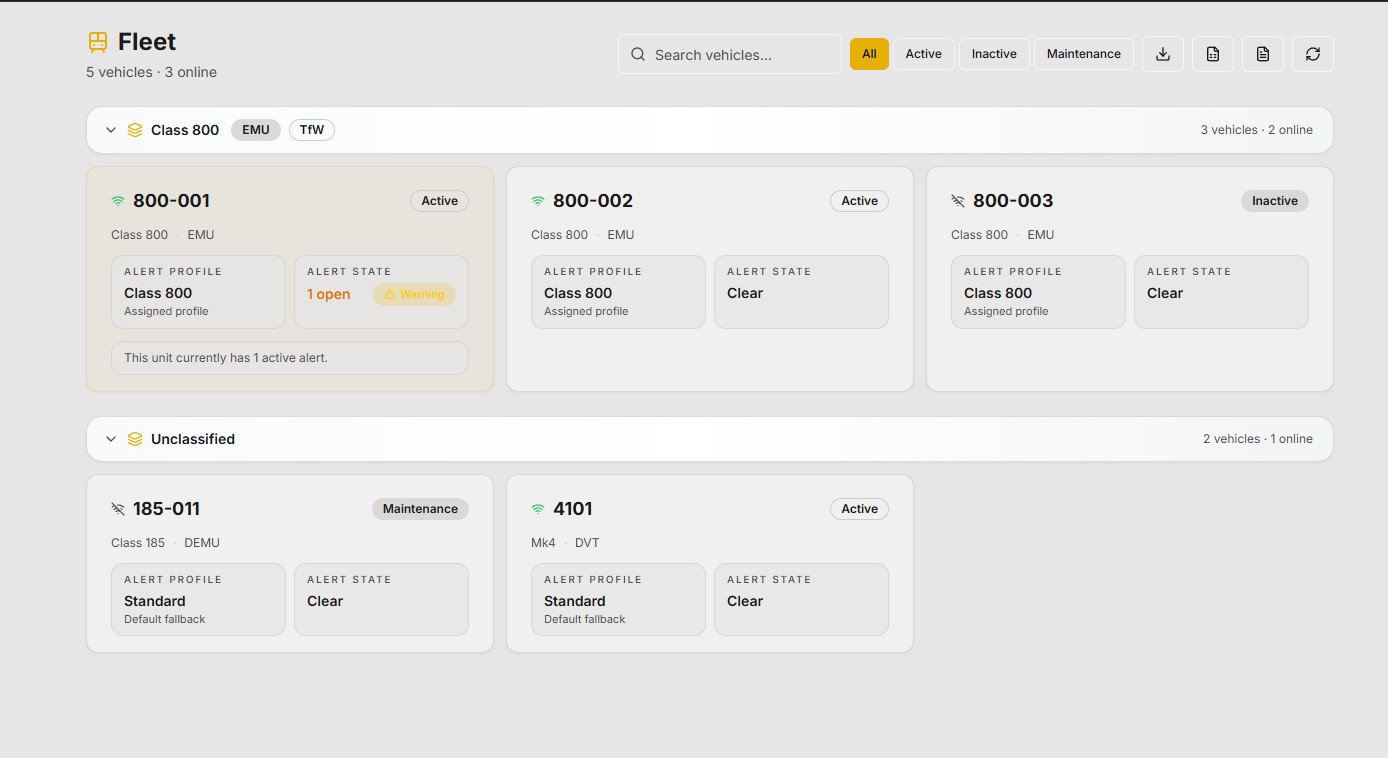
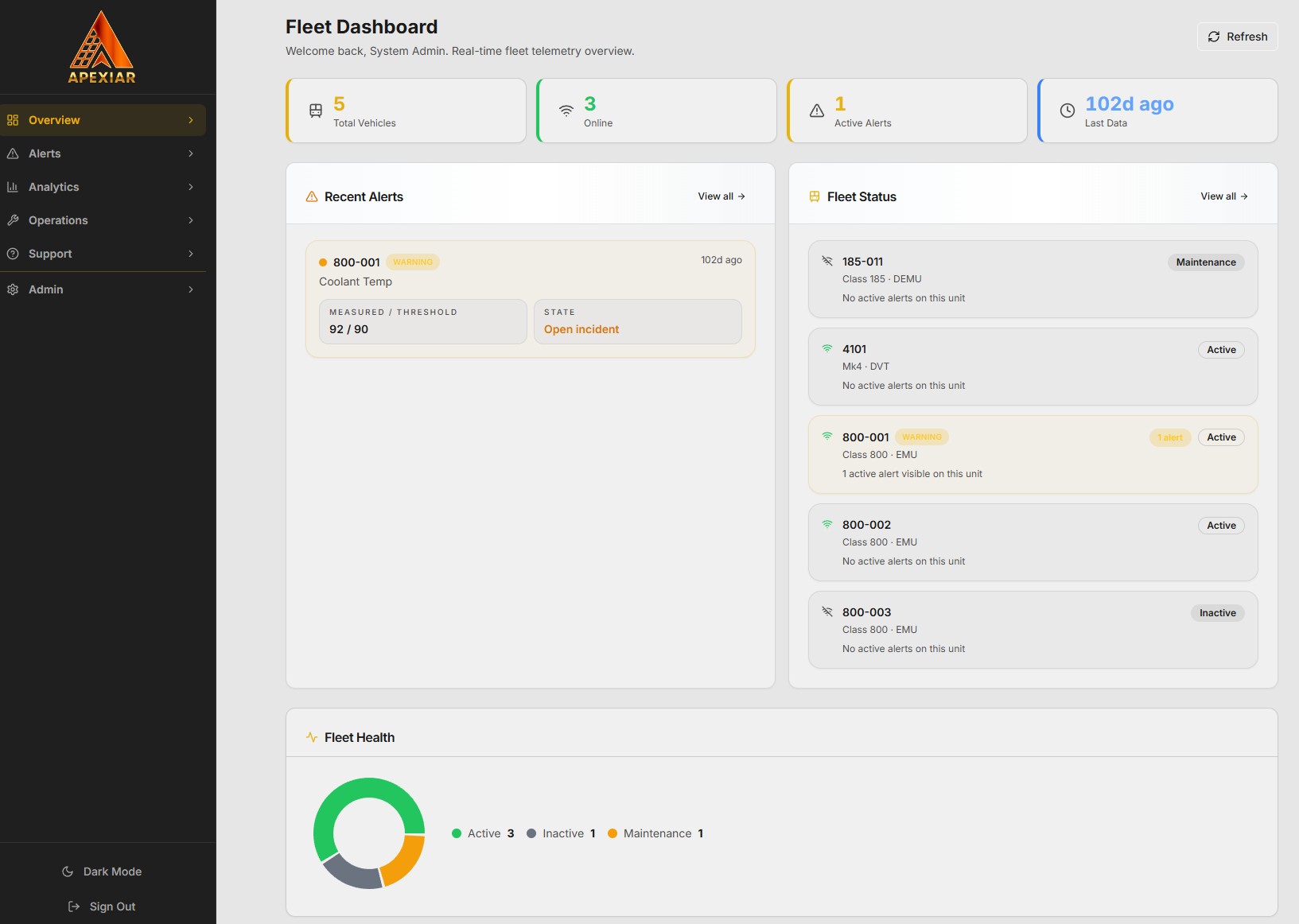
Atom fleet dashboard showing rail vehicle telemetry and fleet status
Atom Rail vehicle telemetry platform

From signal to operational response

Make the connection useful.

Start with the data your assets generate. Connect it to the systems and people responsible for keeping operations running.

  1. Sense

    Capture asset readings, vehicle position and condition data from available telemetry sources.

  2. Connect

    Bring feeds and records together through integrations designed around your existing systems.

  3. Understand

    Use thresholds, trends and asset history to identify changes that need attention.

  4. Act

    Give teams alerts, diagnostic context and evidence to support maintenance decisions.

Rail sensing programme

Intelligence at the asset.

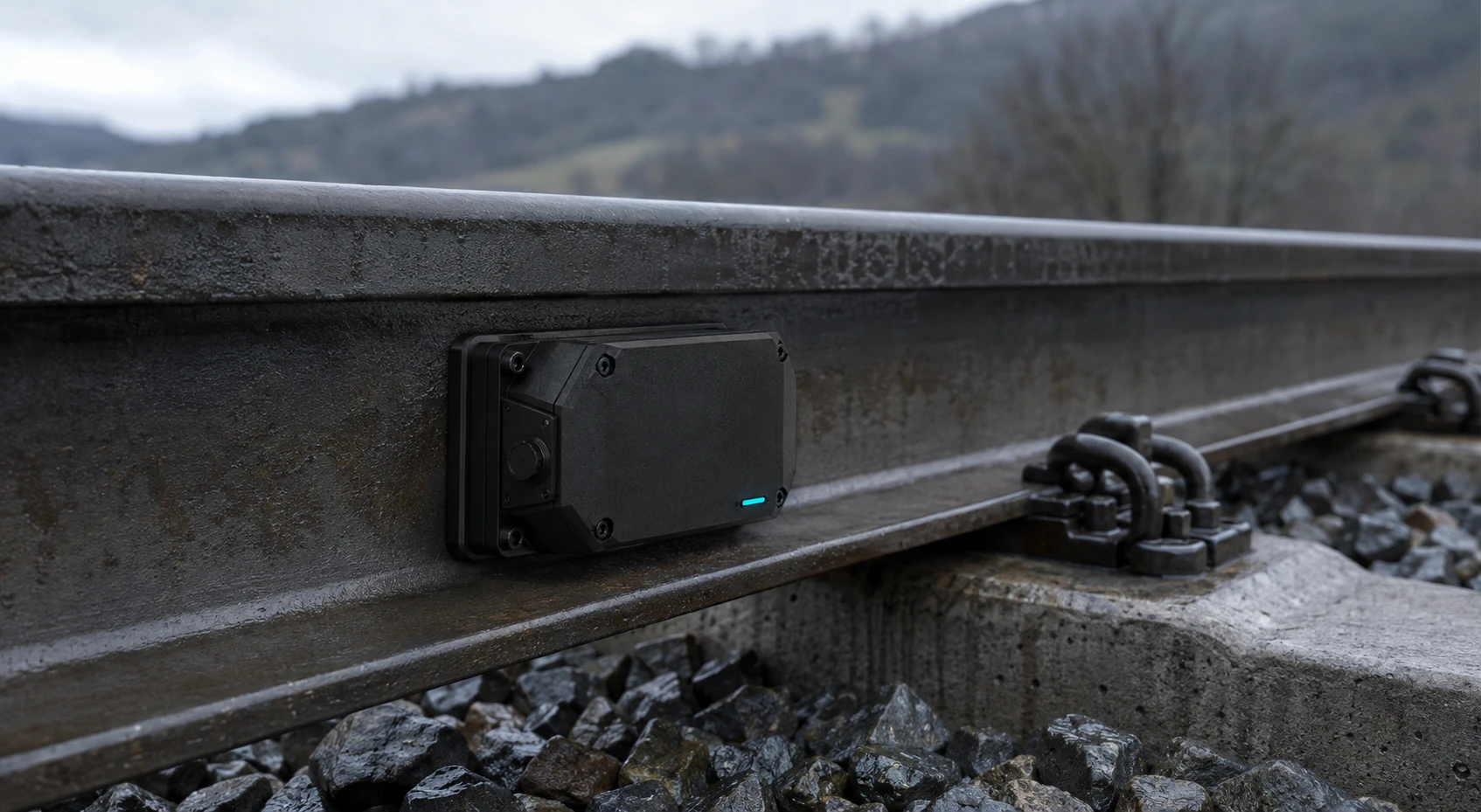
Train Node and Track Node are being developed to measure vehicle and infrastructure behaviour at source, retain the evidence and give engineers earlier visibility of change.

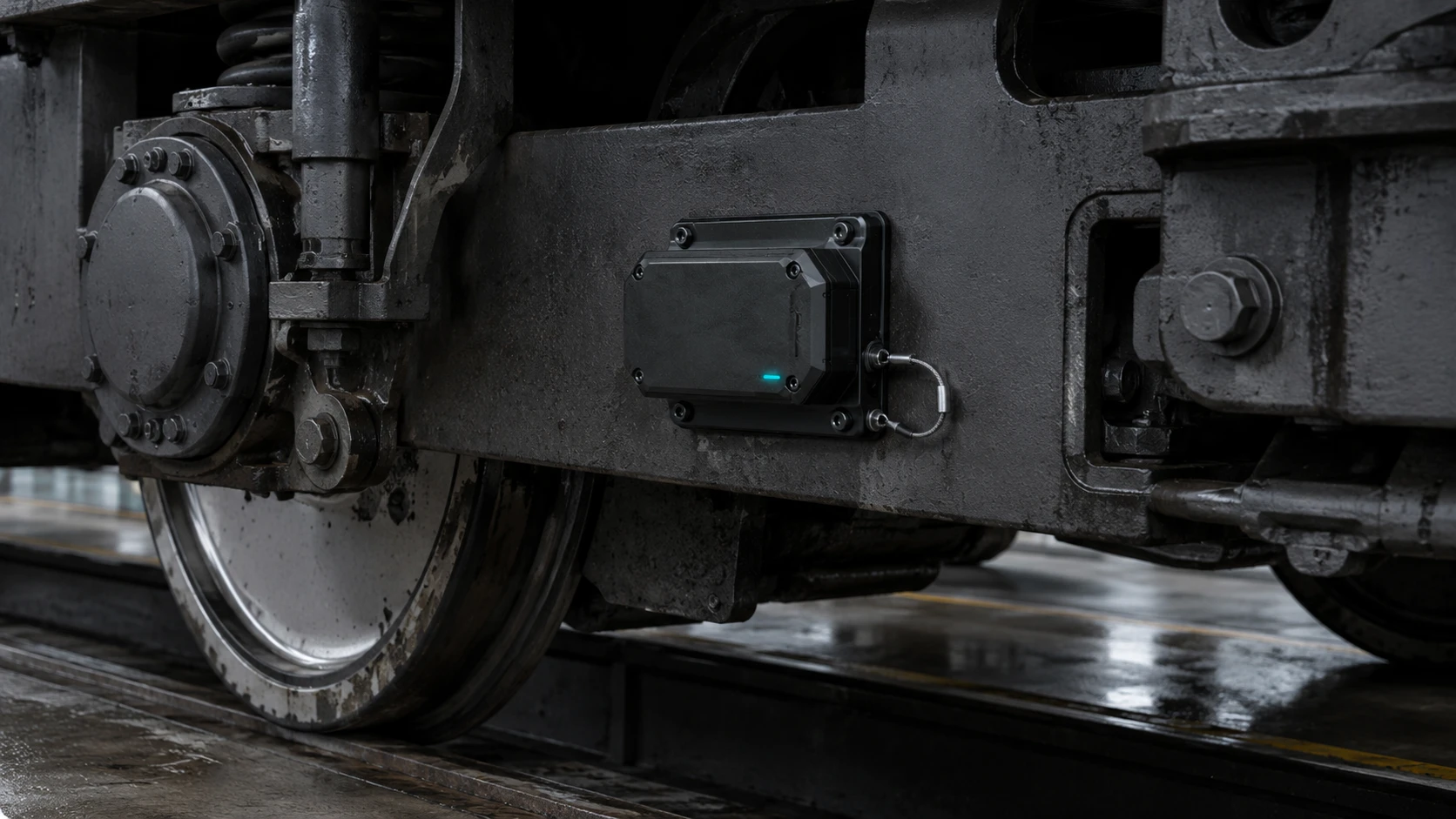
Train Node brochure illustration showing a sensing unit mounted on a railway bogie
Train Node mounting illustration from the rail technology brochure.

Train-mounted edge intelligence

Train Node

A compact bogie- or underframe-mounted platform designed to turn each journey into a measured view of vehicle and infrastructure behaviour. The first-generation system is entering the final stages of development and testing.

  • Sensing of vertical, lateral and longitudinal acceleration, vibration, orientation, location, rail temperature and track-geometry indicators.
  • Onboard processing to time-align data, identify abnormal events and securely transmit prioritised intelligence while retaining a complete journey record.
  • Repeat-journey comparison to help localise rough riding, investigate developing conditions and assess engineering interventions.

Optional and future sensing: an optional rail-facing camera links visual evidence to location and ride events. Future packages are intended to assess railhead condition, contamination and potential adhesion risk.

Development programme Engineering validation and required railway approvals are targeted for completion by the end of 2026. Initial market testing is planned for Q1 2027.

Discuss Train Node
Track Node brochure illustration showing a sensing unit mounted below the rail head
Track Node mounting illustration from the rail technology brochure.

Track-mounted edge intelligence

Track Node

A compact rail-mounted platform designed for rapid deployment below the rail head, providing continuous monitoring at locations that need deeper engineering investigation.

  • Sensing of rail movement, vibration, acceleration, orientation, temperature and environmental conditions.
  • Edge processing to establish a baseline, identify abnormal responses under traffic and securely transmit prioritised events while retaining the full dataset.
  • Intended applications include switches and crossings, bridge approaches, recurring faults, temporary works and heat-affected locations.

Optional sensing and arrays: the platform can be extended to strain, acoustics and railhead condition, with independent nodes or synchronised pairs and arrays providing enhanced movement and track-geometry indicators.

Engineering development Final mounting, sensing, power and communications configurations will be confirmed through development, field trials and railway approval.

Discuss Track Node
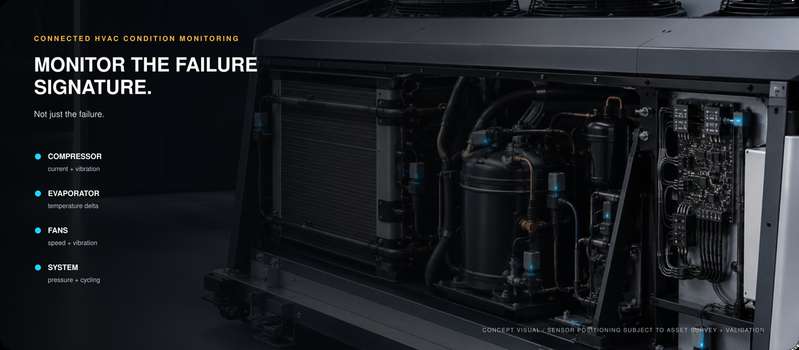
Concept illustration of connected HVAC condition monitoring, showing compressor, evaporator, fan and system sensing
Concept visual. Sensor positioning is subject to asset survey and validation.

Connected asset telemetry

Bring existing equipment into the picture.

Apexiar is extending its deployed rail condition-monitoring architecture to equipment that was never designed to generate data.

Rugged edge sensors can capture temperature, vibration, current, pressure, movement and operating cycles at source. That evidence supports maintenance, overhaul and engineering decisions, with earlier visibility of deterioration.

Inspect, understand, redesign, validate, monitor and improve: a continuous engineering loop that connects asset condition with the work needed to extend its life.

Discuss an asset monitoring requirement

Telemetry and maintenance intelligence

See the condition. Investigate the cause.

Explore the platforms behind the operational picture, with full features and demonstrations on their existing product pages.

Atom live fleet view with vehicle alert profiles and connectivity status

Atom / Vehicle telemetry

Know what is happening across the fleet.

Monitor vehicle status, locate alert hotspots and replay journeys with telemetry in context. Atom brings live asset data into the views used by operations, maintenance and fleet-performance teams.

  • Live fleet status and geographic vehicle mapping
  • Configurable threshold alerts and journey replay
  • Data freshness, channel coverage and fleet analytics
Explore Atom
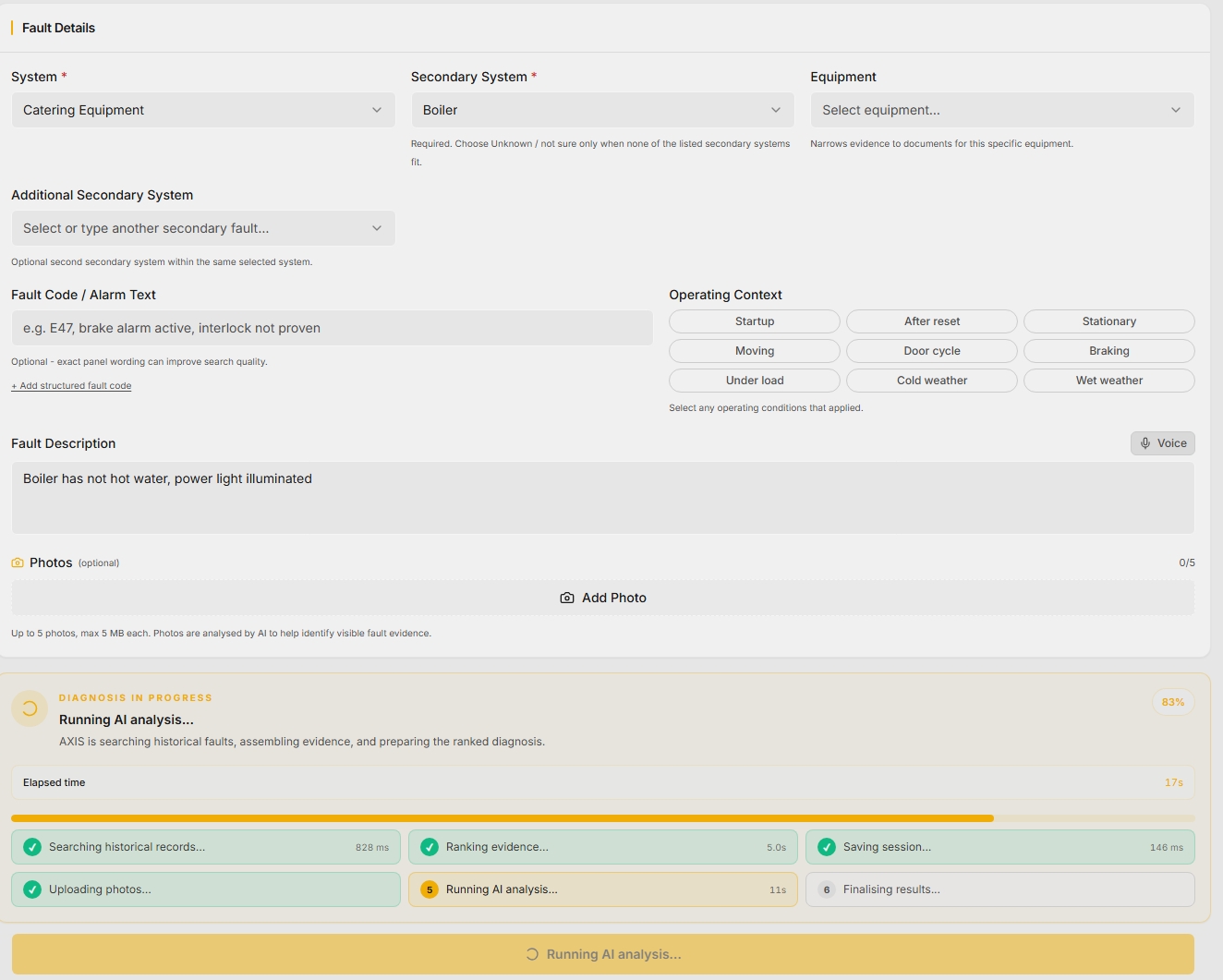
Axis fault prediction view with risk-ranked asset faults and failure probability scores

Axis / Maintenance intelligence

Put asset history to work at the point of need.

Combine historical fault records and optional real-time sensor feeds with diagnostic support. Axis helps engineers investigate emerging issues with relevant documentation and suggested repair steps.

  • Fault prediction informed by asset and maintenance records
  • Technical documentation linked to fault investigation
  • Guided repair steps and retained engineering knowledge
Explore Axis

Work with the systems you have

Connect the data.
Keep the operational context.

A useful integration starts with the asset, the data source and the decision it needs to support. We work with your teams to define the interfaces, information flows and operational requirements.

From APIs and data pipelines to access configuration and legacy migration, the scope is shaped around your existing environment.

Explore integration & deployment

Systems Integration

Connect Apexiar with your existing ecosystem — ERP, BMS, HR, IoT, and third-party platforms.

  • API and webhook integrations
  • Single sign-on (SSO) configuration
  • Data synchronisation and ETL pipelines
  • Legacy system migration
Train systems analysis and telemetry for reliability-centred maintenance

Engineering in practice / Rail

From telemetry to intelligence.

A bespoke platform commissioned by a major UK rail operator to ingest live train telemetry and integrate with its existing Axis deployment.

Our March 2026 engineering article describes the design-and-build work: telemetry ingestion, rules and alerts, condition monitoring and integration. Read the project brief and the operational challenges behind it.

Read the engineering story

Start with your operational requirement

What do your teams need to see sooner?

Tell us about your assets, available data and current systems. We can explore the telemetry, integration and intelligence needed to support your operation.